Wednesday, August 29, 2018

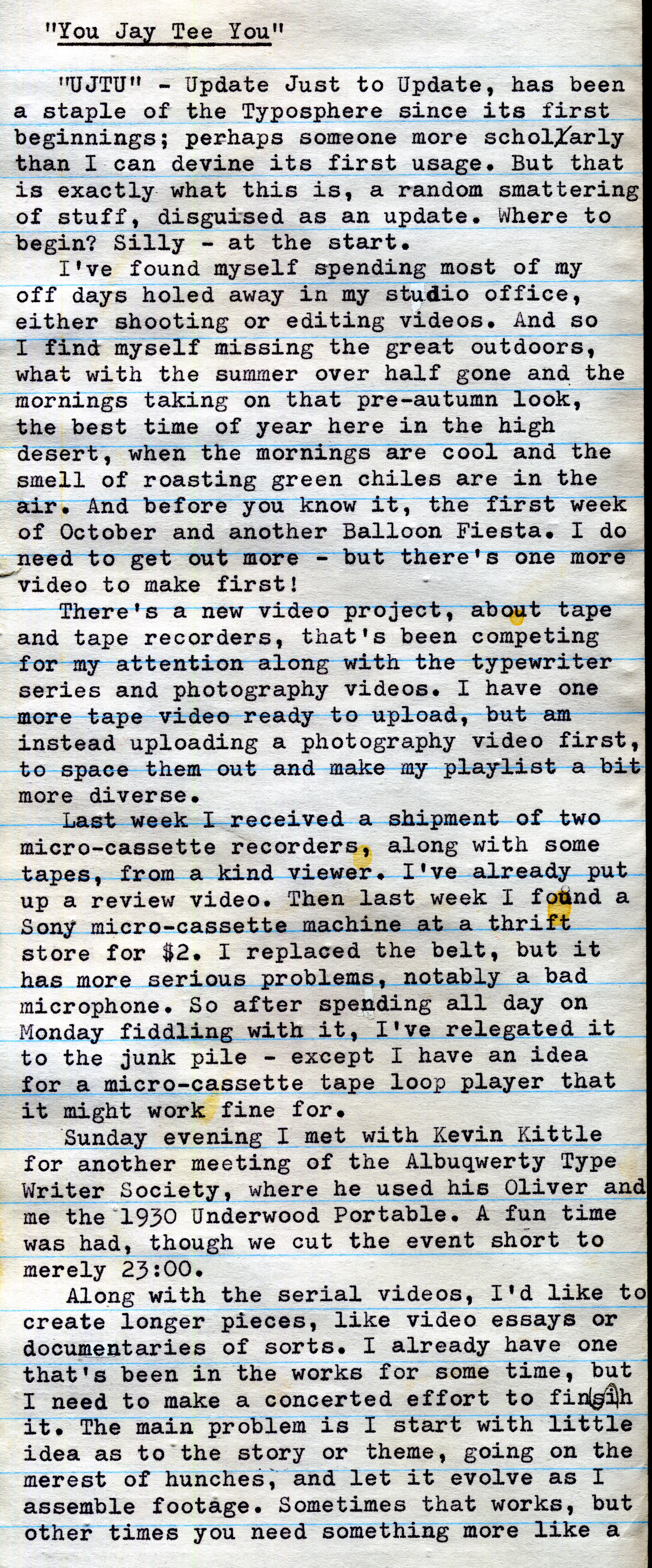
"You Jay Tee You"

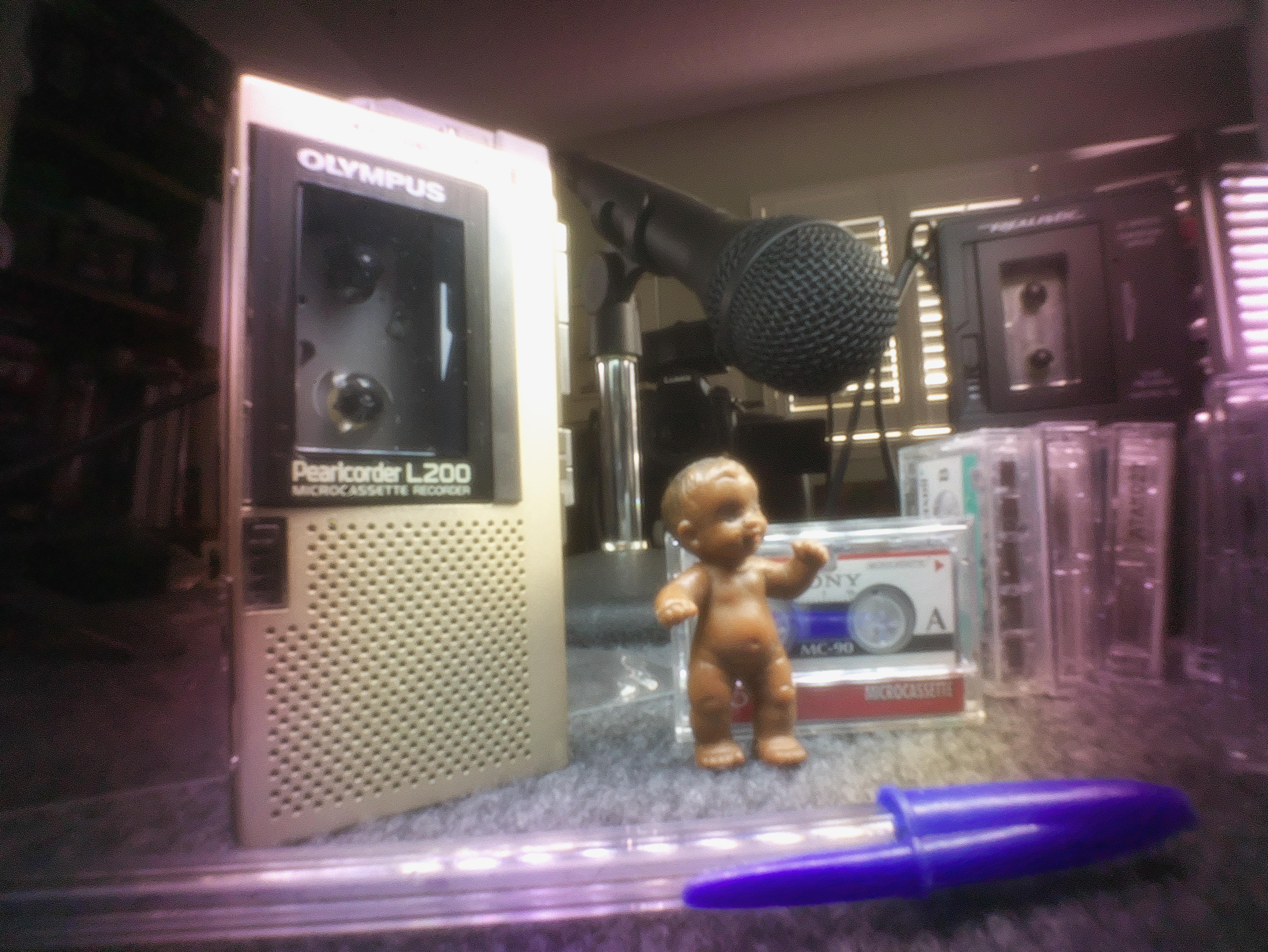
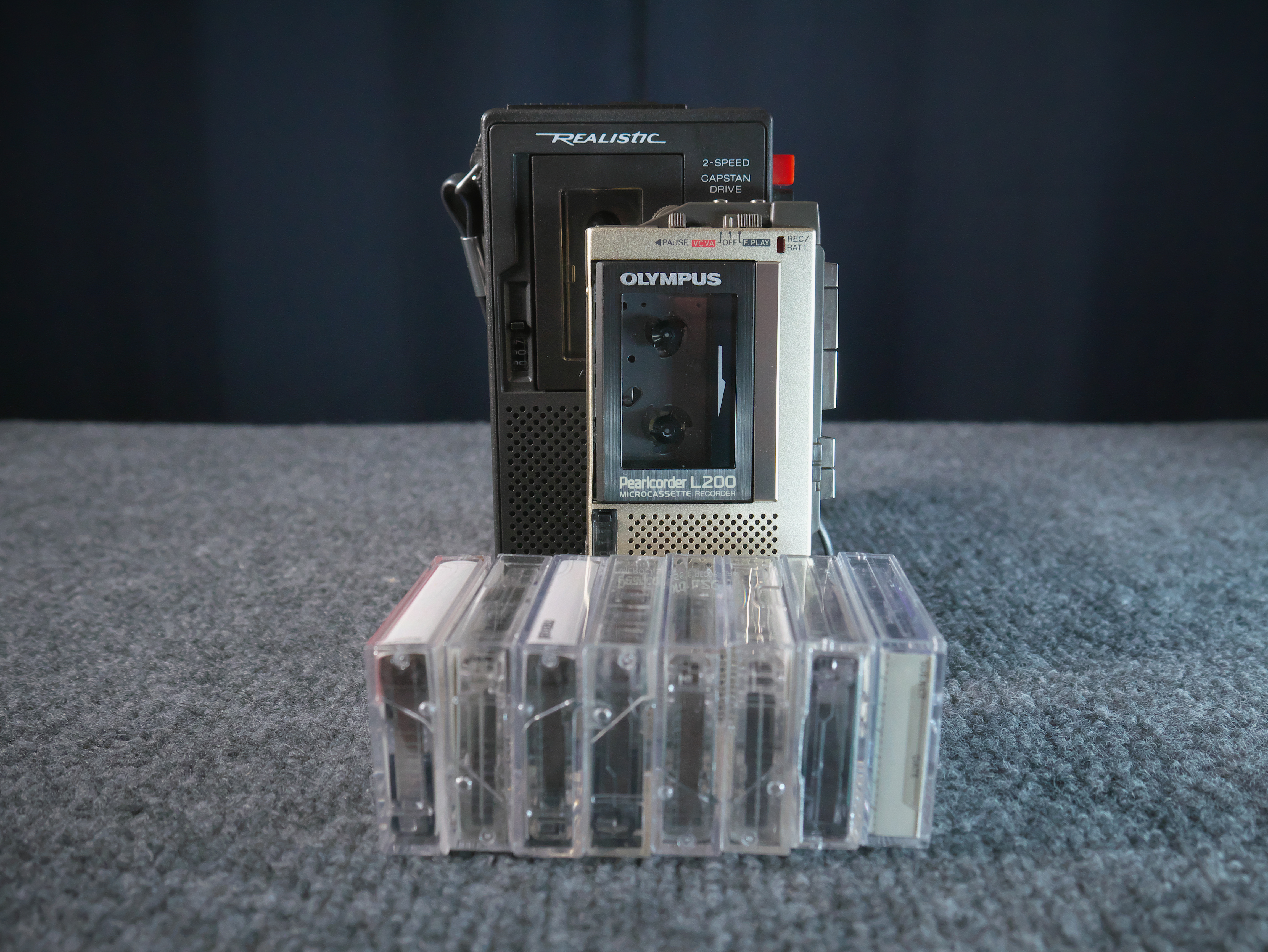
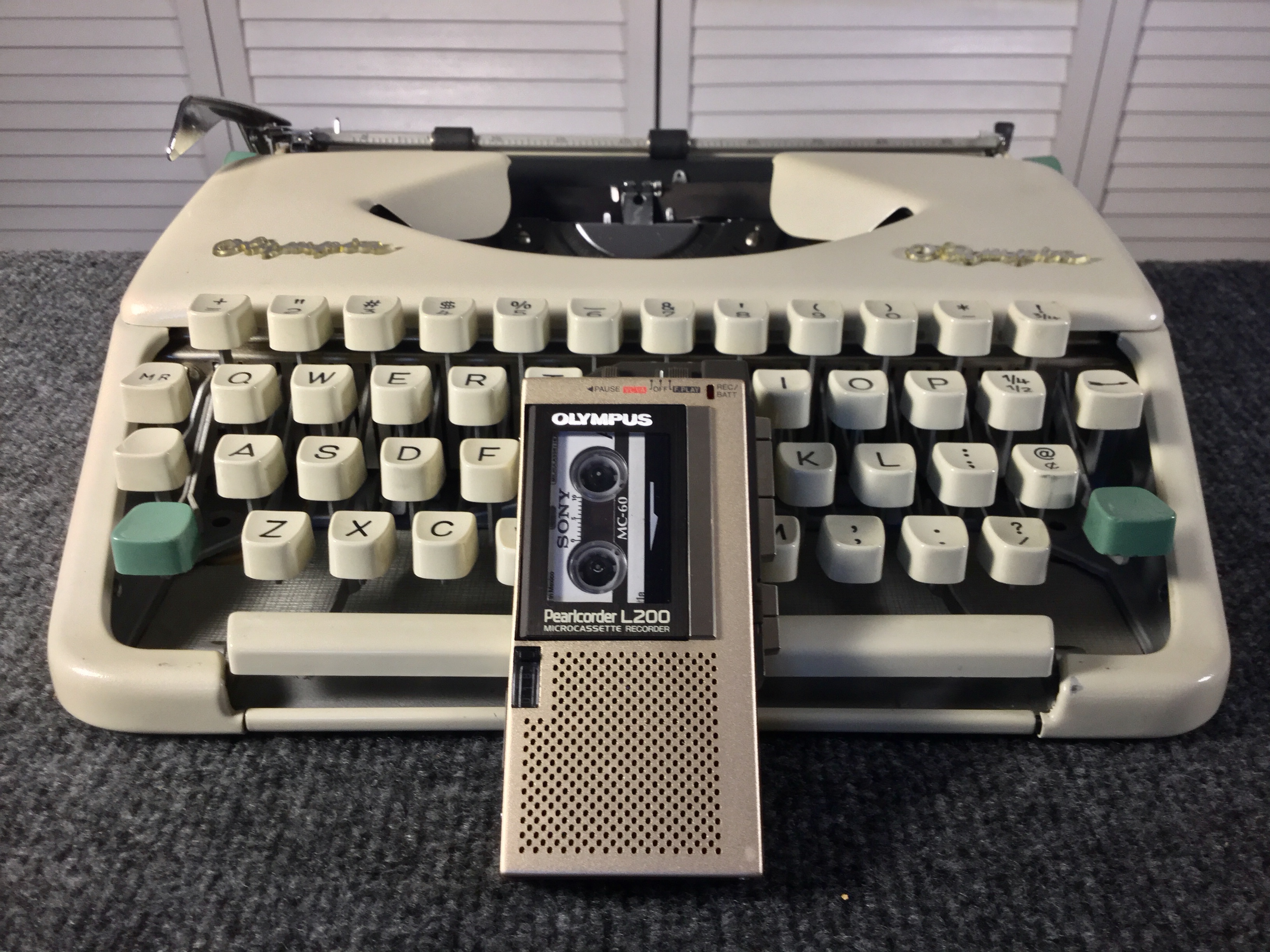
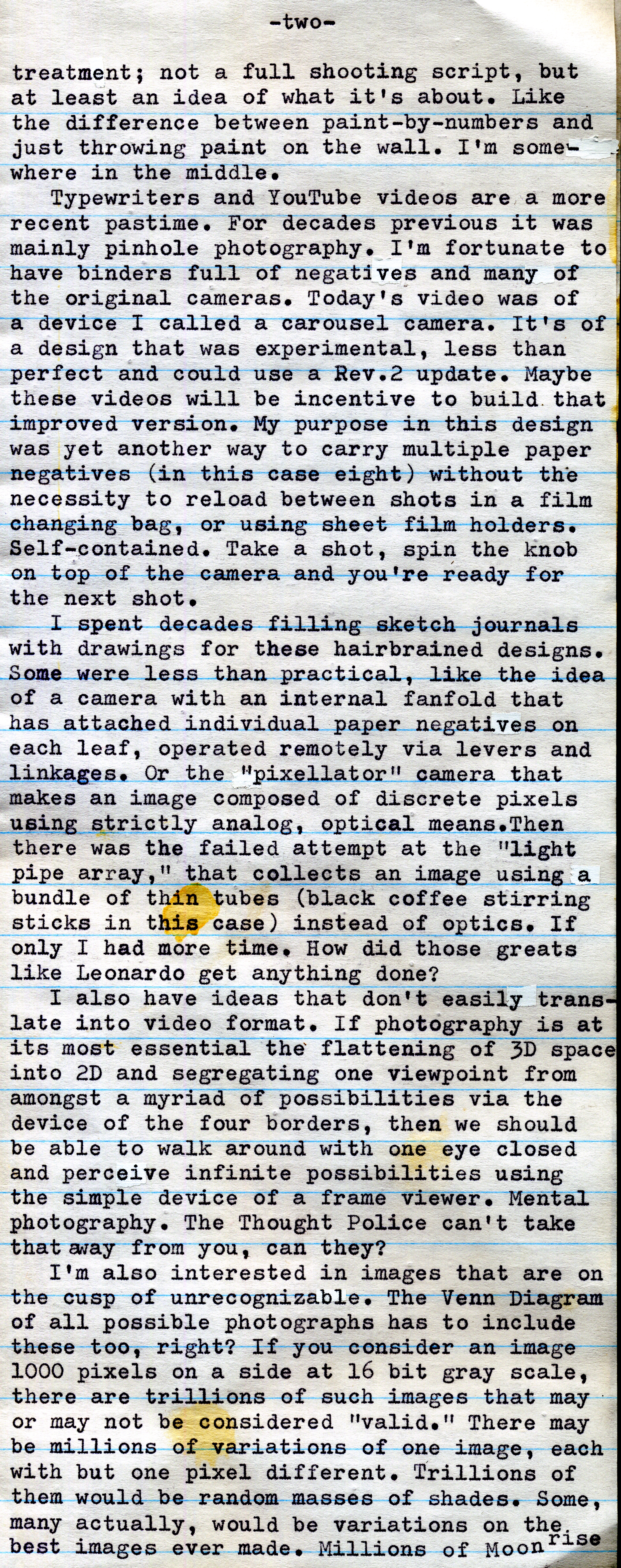
Olympia SF and Olympus Pearlcorder L200
Typecast042
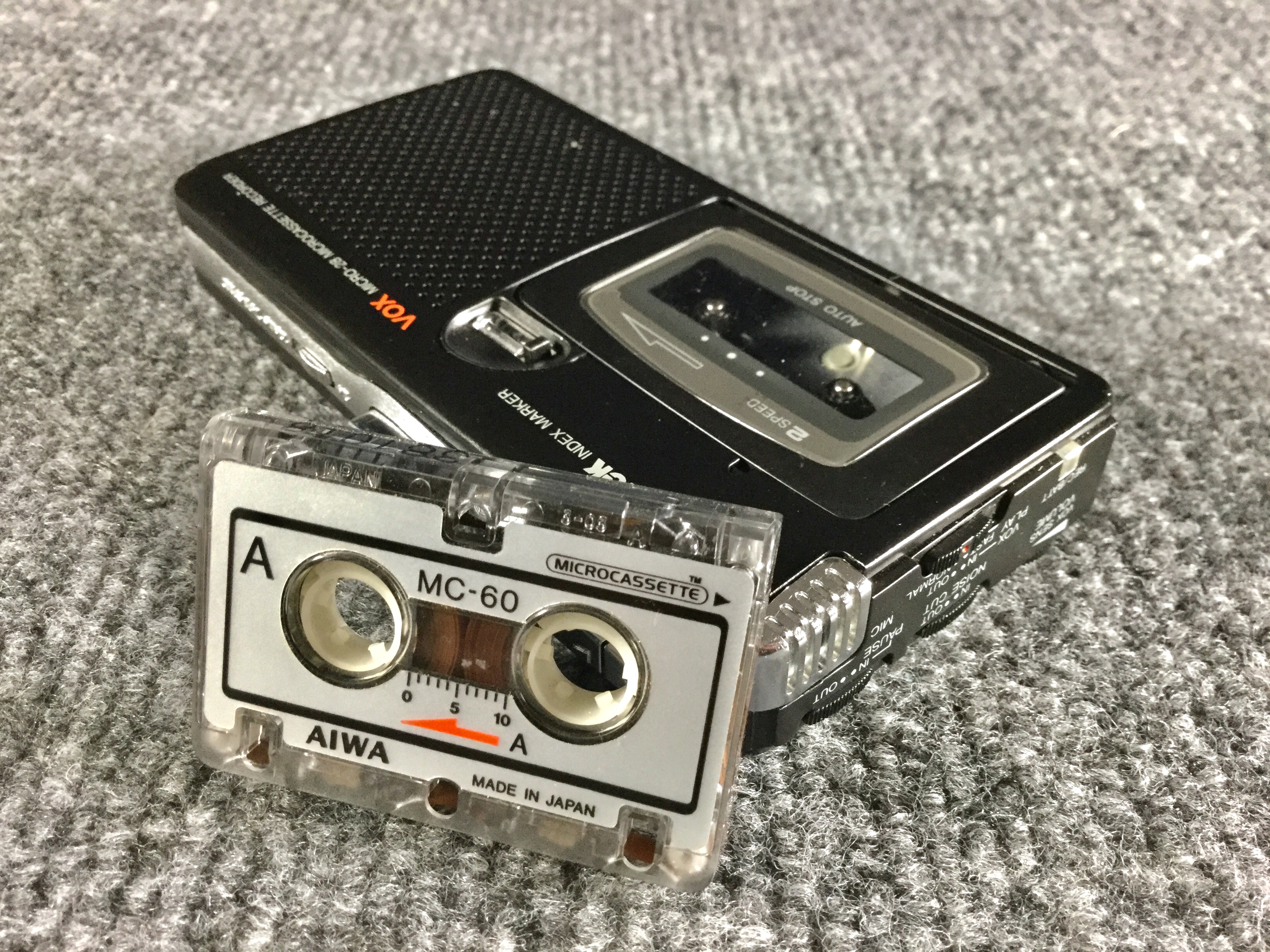
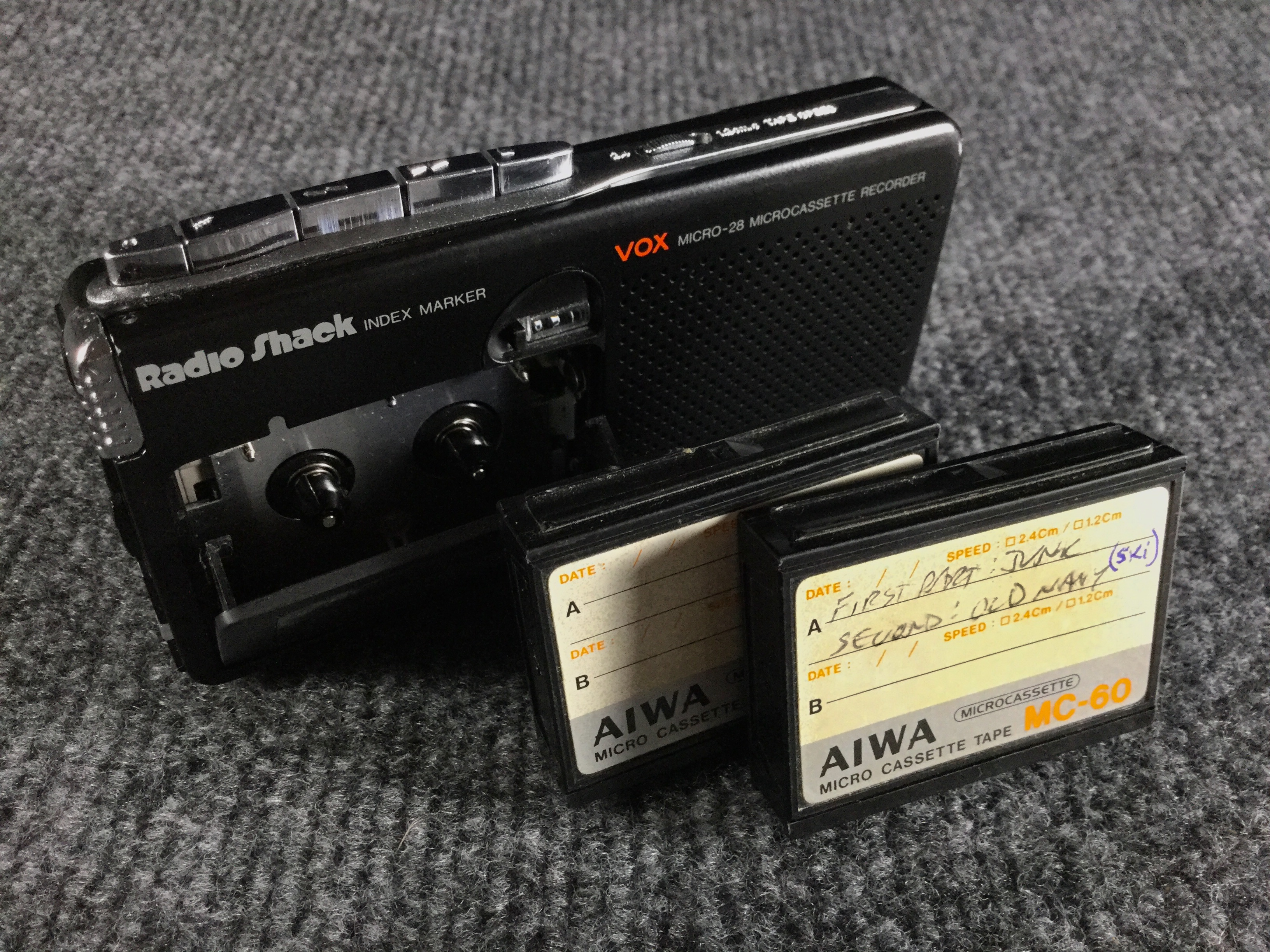
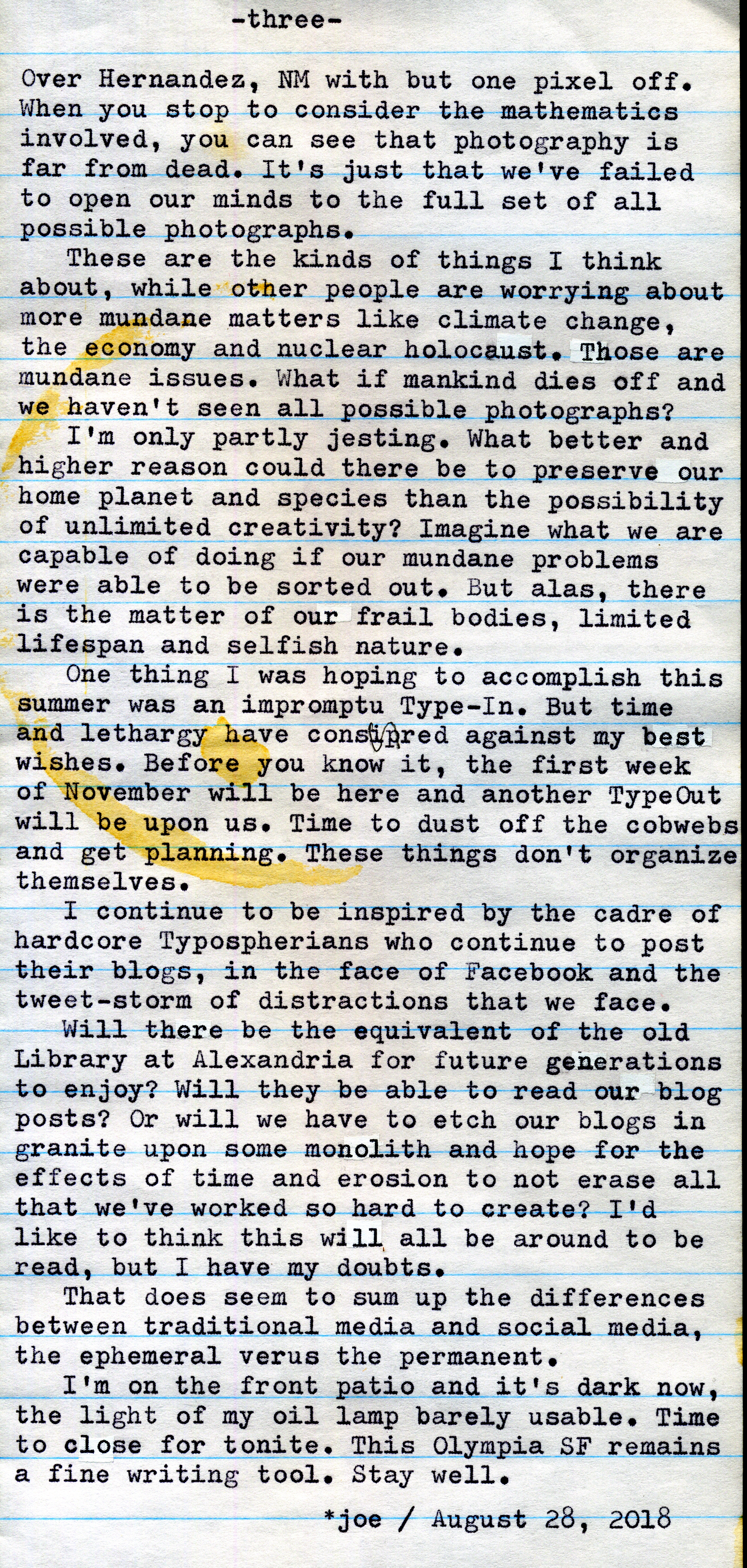
Micro-28 Recorder and Aiwa Tape
Typecast043
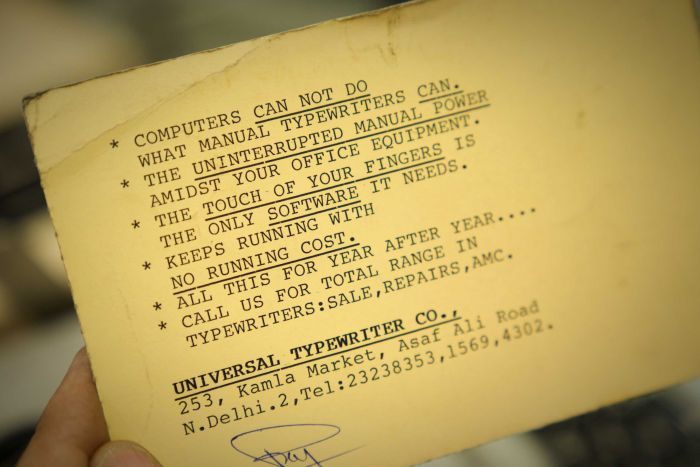
Universal Typewriter Co Slogans
Typecast044

Post-Script: I didn't mention that I've been collecting Albertsons grocery store receipts. Because the backsides are clear of any adverts, making for "free" (ignoring the cost of groceries) narrow-column typing paper for poetry and prose alike, particularly with the new old-stock silk ribbon in Adobe Rose, the Royal QDL, whose elite font works well for the 3-1/8" wide thermal paper.
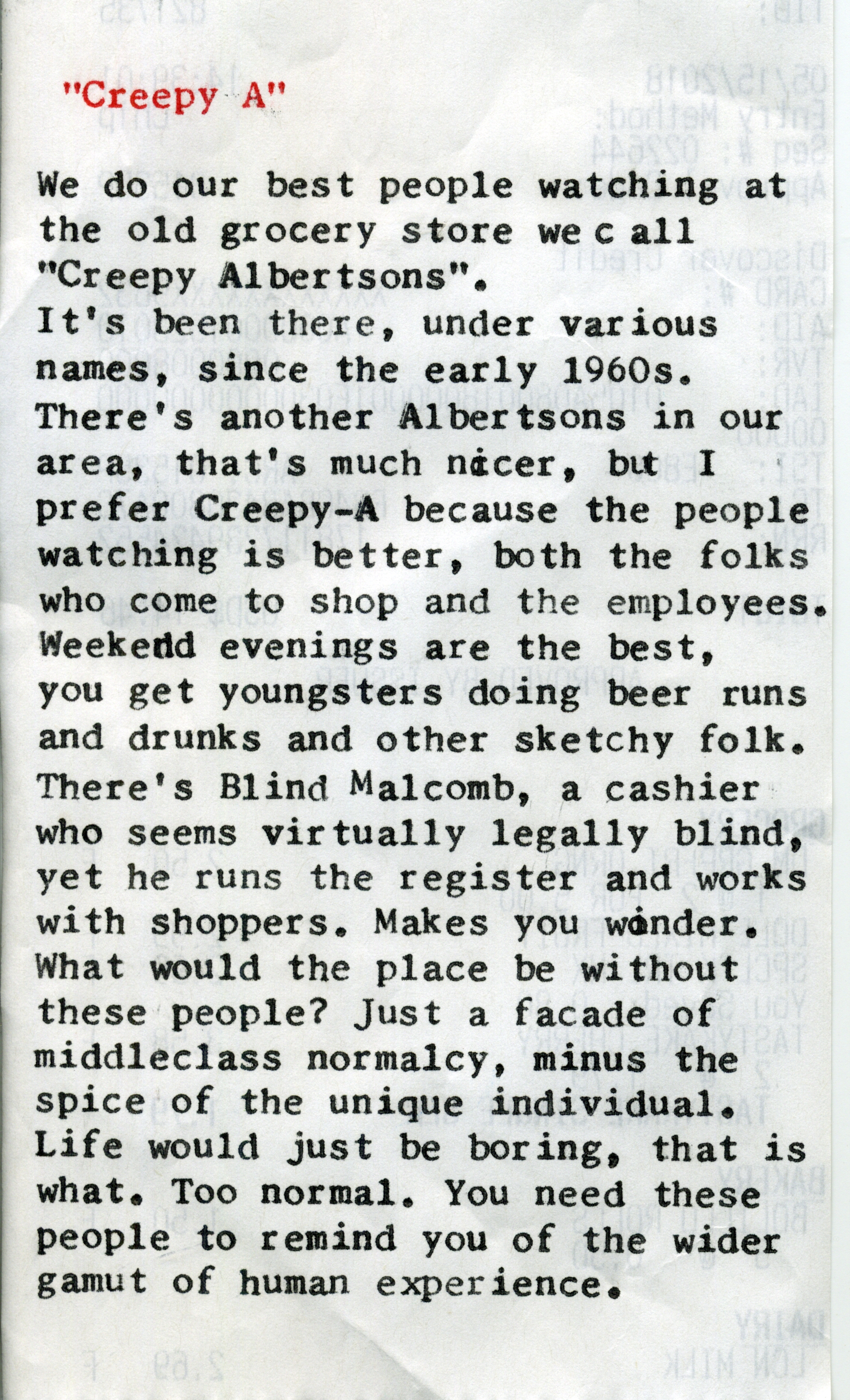
Typecast033

Since this is a UJTU blog article, I should mention that I recently finished reading Daniel Ellsberg's The Doomsday Machine. While he's well known for having released the Pentagon Papers, a cache of documents relating to the Vietnam conflict, his original intention was to release a vast trove of documents concerning nuclear preparedness. But in the aftermath of the Pentagon Papers scandal he buried, then lost, that trove of documents. This new book is both a personal history and about what he was able to retrieve, via FOIA documents and through his own personal recollection of having worked as a Rand Corporation contractor in the early 1960s, with access to the highest level of nuclear secrets by any civilian outside government.

What I found troubling was in the early 1960s theater commanders had been given, since Eisenhower's time, permission to initiate nuclear weapons release independent of the President. It was only later that permissive action links (PALs) were developed to, among other reasons, restore control of such weapons back into the hands of civilian leadership.

Ellsberg makes a convincing argument that Hiroshima and Nagasaki were an inevitability, given that mass bombing of civilians was already an accepted reality, such as the massive fire bombings of Tokyo and other Japanese cities in the weeks and months previous. While he credits Britain with starting the policy of engaging civilians in wartime though aerial bombing, he ignores the German Zeppelin bombings of England in WWI, and the bombing of Guernica by Germany during the Spanish Civil War. There's also the long history of laying siege to cities and starving out whole civilian populations. War has never been nice, history shows.

His point is that what we came to know during the Cold War as nuclear terror was the result of policies intentionally created for the purpose of inflicting mass civilian casualties, already in effect since WWII prior to the nuclear age. The intention was already in place within the leadership of the Pentagon, he argues; what the reality of nuclear weapons did was enable that intention on a global scale. Certainly food for thought.

I suspect I already know what Ellsberg's critics will say, charging him with taking sides against his own country. However provocative his views, his is a revision to the conventional history of the nuclear age well worth considering.

Labels: , , , , ,

Monday, August 20, 2018

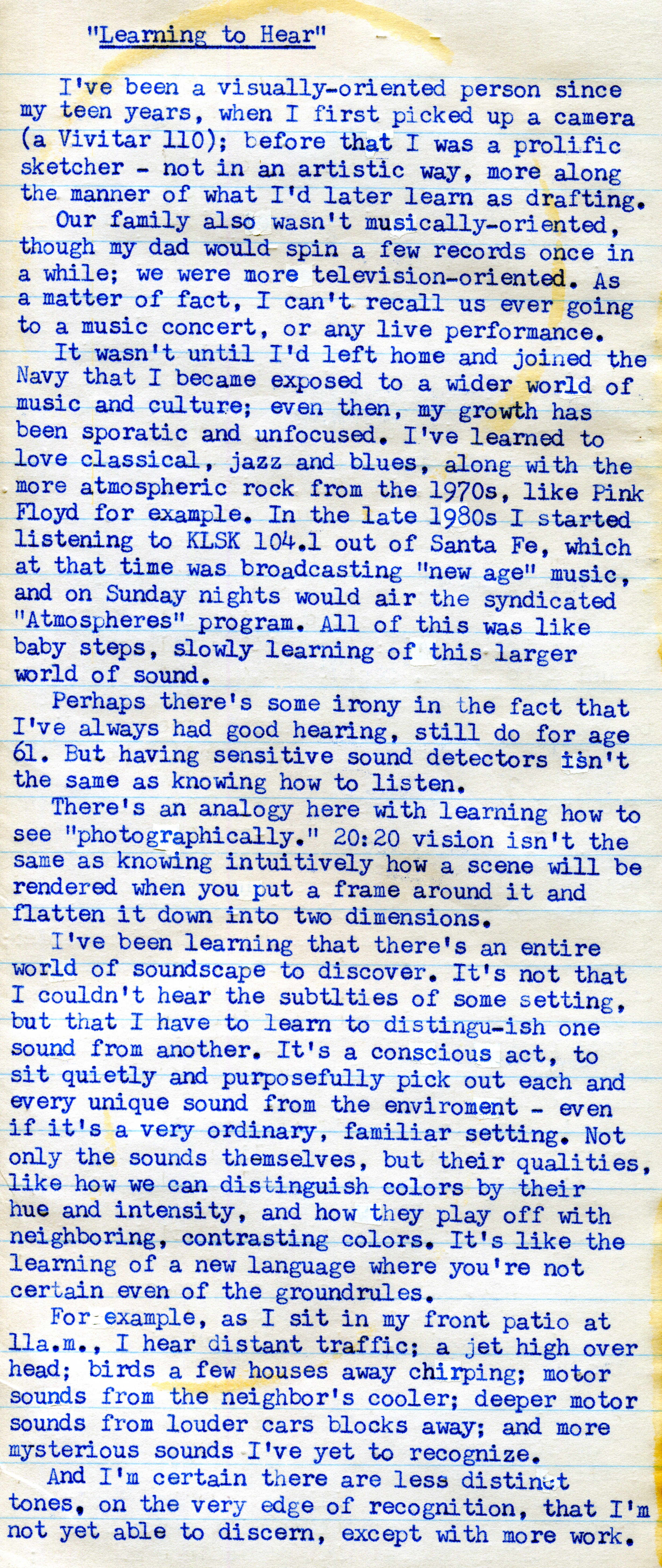
Learning to Hear

P1020072
Typecast040
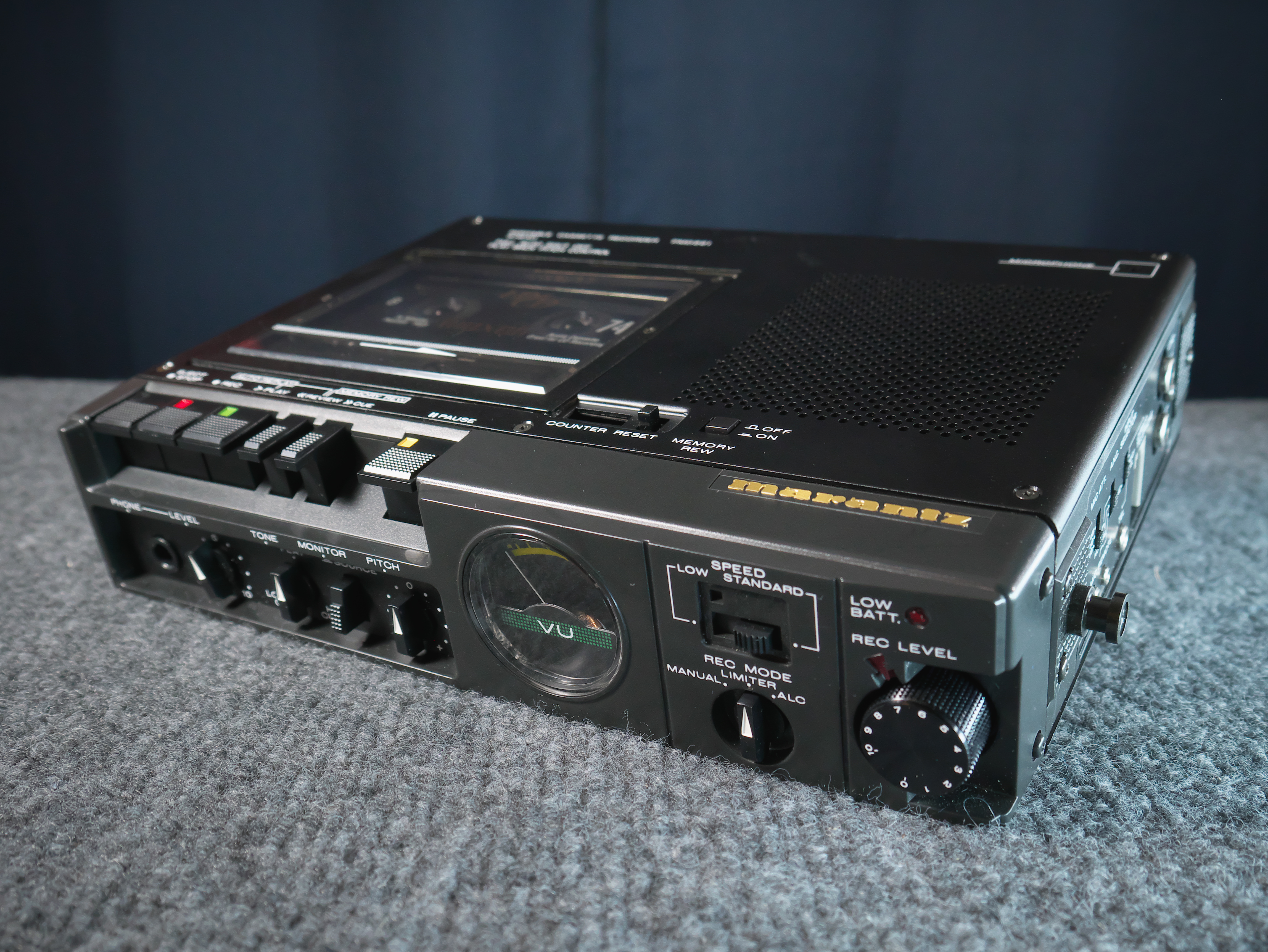
P1020074
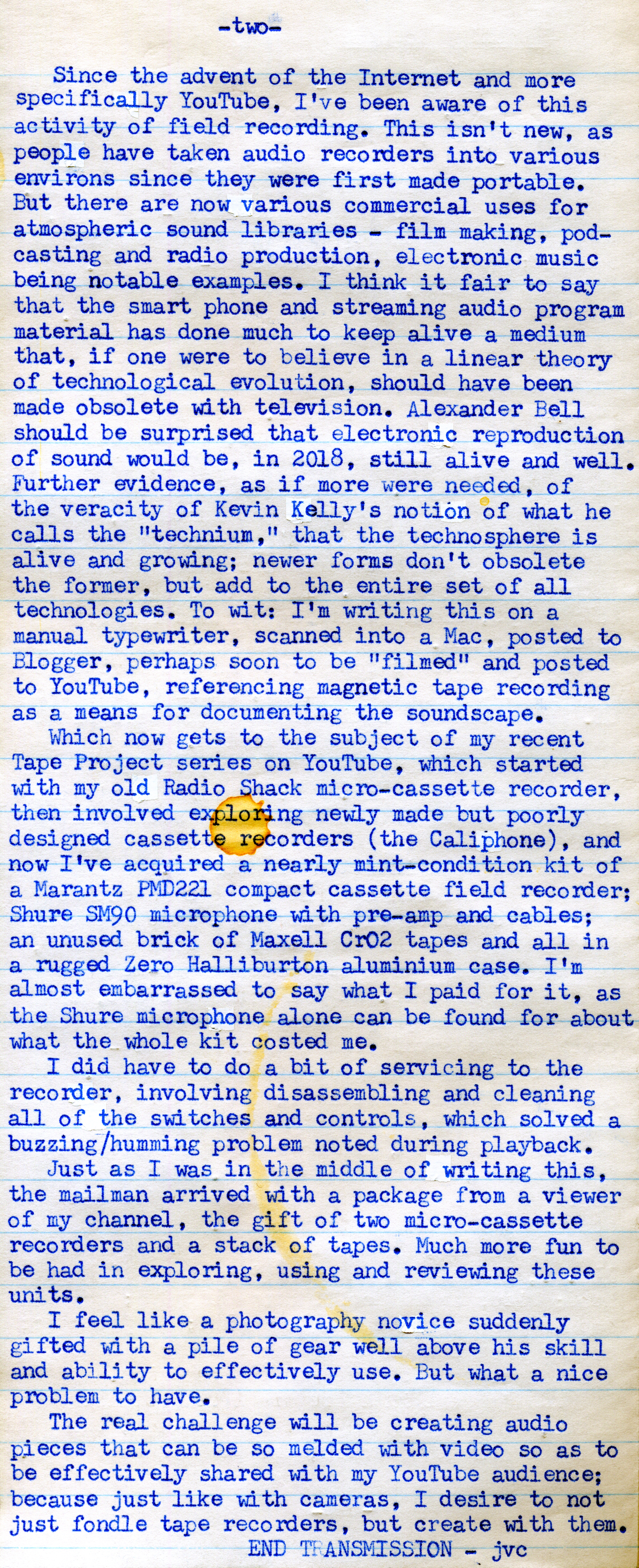
Typecast041

Post-Script: Here are the goodies from fellow viewer Mitchell:

P1020079

I'll be doing a review of these units in the near future.

Now, regarding my upcoming experiments in field recording. I’d like to begin very simply by assembling in-recorder montages of audio, in a similar fashion to how early film makers might have worked, in serial fashion, absent the sophistication of layering multiple tracks together. The challenge will be assembling, in-recorder, a “finished” production, design-wise; instead of what a sensible person would do, which is to digitize the files and assemble a more sophisticated production in-computer. Later on, as my skills grow, I'm certain my technique will become more sophisticated. For now, I'd like to discover for myself the rudiments of tape-based field recording.

My intention will be to create audio stories as finished, tape-based, stand-alone pieces that can then be augmented with an appropriate montage of video scenes to help flesh out the sound space.

I’m reminded of what artist Bill Viola said about the similarity between video and audio, in his collection of writings, Reasons for Knocking at an Empty House, page 62:

“Looking at the technological development of both video and film, we immediately notice a profound difference: as film has evolved basically out of photography […], video has emerged from audio technology. A video camera is closer to a microphone in operation than it is to a film camera […]. Thus we find that video is closer in relationship to sound, or music, than it is to the visual media of film and photography.”

It is all too easy to create a product where the video is predominate and sound becomes secondary; such is the nature of video editing software. I’d like to try the inverse, which presents its own complications.

This won’t be easy - as modern technology seems to enable creativity by means of technical innovation, I'll be tinkering with crude in-recorder editing methods, or crafting audio/video productions not ideally suited to this purpose. My aim is decidedly not what you’d do if commercial interest or efficiency were one’s primary concern. In fact, it might be a boring flop. I'm sure I can amuse myself listening to hours of tape, but producing something view-worthy for an audience is something else. Don't hold your breath, as they say.

I’m trying to see with my ears, to learn to story-tell primarily with sound; as a means to harken back, if only symbolically, to those earlier ages when stories were, literally, passed from mouth to ear.

You might be interested in the related field of artists using cassette tape audio as a source for experimental, electronic music. Hainbach is one such artist. Check out this video of him using a Walkman as a source for his synthesizer rig. You might notice near the end of the piece how he shakes the Walkman to induce strange vibrations in the sound scape. Wonderful stuff.

PPS: The top photo was made using the Pinwide pinhole body cap in my Lumix G7 camera. I don't do this very often, because as small as the pinhole is, it does permit dust to enter the camera and spot the sensor, requiring a cleaning. Still, I love the effect, once in a while.

Regarding the coffee stains on the paper, perhaps this was a bit ham-fisted and overdone, but I wanted to experiment with purposefully distressing the paper prior to typing. This is a pad of old, partially yellowed and stained paper that inspired me to experiment. Maybe a forthcoming video on the subject!

Typecast via SCM Skyriter.

Labels: ,

Tuesday, August 14, 2018

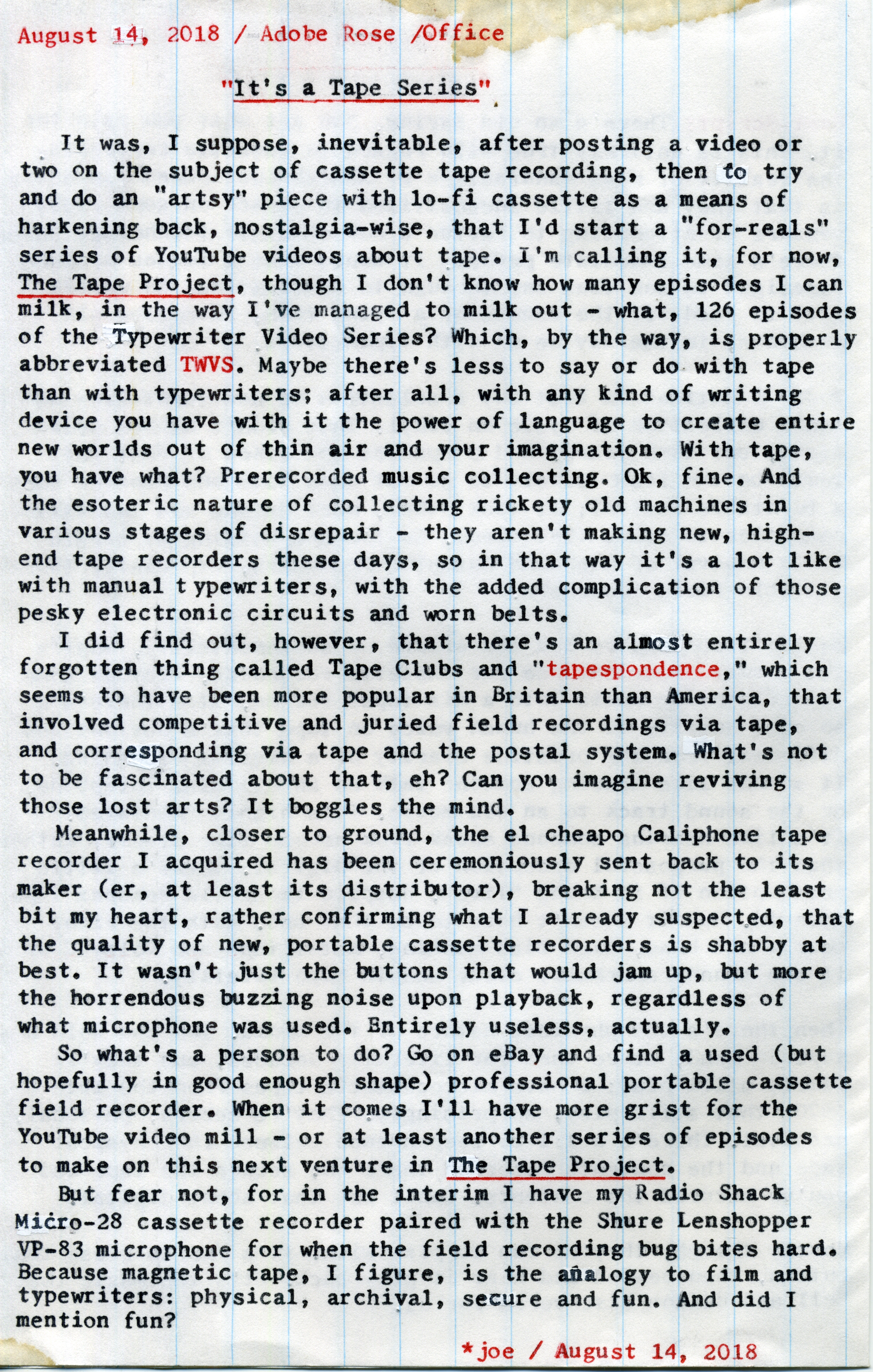
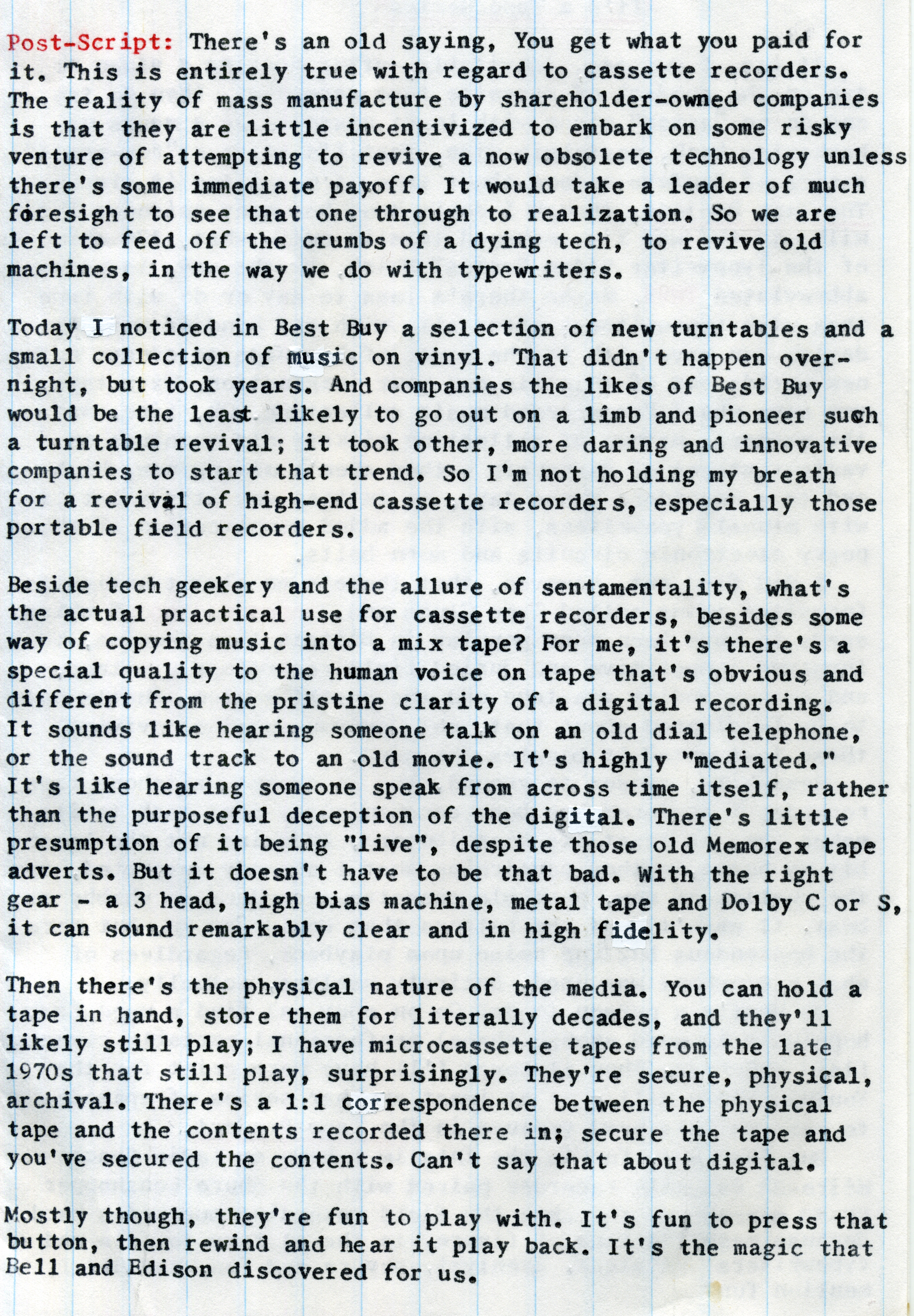
It's a Tape Series!

Micro-28 Recorder and Aiwa Tape
Typecast037
Micro-28 Recorder and Aiwa Tape
Typecast038

The Tape Project as it stands today:

On Tape:


On a Piece of Ground:


The Tape Project - Episode 2:

Typecast via Adobe Rose.

Labels: , , ,